Understand avoidable spend
Examine when and where energy is used, alongside bills and operating patterns. Identify the controls, schedules or equipment that deserve closer investigation.

Whole-site energy planning for garden centres
Know what to change before you commit capital.
By The Energy Engineers Updated 10 November 2026
Start with the decision your garden centre needs to make. Bring shop-floor, café, growing and storage demand together with running costs, capacity constraints and future plans. Then compare improvements against the priorities of the business.

Where to start
Use the questions below to connect energy decisions with the way your site actually runs.
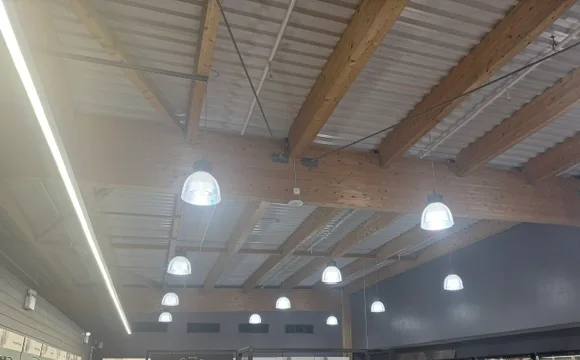
Examine when and where energy is used, alongside bills and operating patterns. Identify the controls, schedules or equipment that deserve closer investigation.
Bring new buildings, catering equipment, heating and charging into the capacity assessment. Identify site and connection questions before making a commitment.
Compare practical options, their whole-term costs and responsibilities on a consistent basis. Establish which assumptions need evidence before an investment decision.
Read before you decide
A practical starting point for garden-centre energy costs: bills, meter data, controls, equipment, solar and a fair way to measure results.
Read the guideWhat to check before specifying garden-centre solar: electricity demand, roof condition, seasonal use, permissions, leases and the grid connection.
Read the guideCompare buying solar with an onsite power purchase agreement: ownership, ongoing payments, maintenance, roof rights and end-of-term obligations.
Read the guideAssess garden-centre batteries against a clear purpose: solar use, tariffs, demand, backup requirements, losses, costs and operating responsibilities.
Read the guideMake the next conversation useful
A few practical details can help reveal which questions need answering first.
Identify the priority decisions, constraints and information gaps from available site evidence. Agree the scope and outputs before work begins.
Bring suitable efficiency, generation, storage and future-load options into a coordinated investment plan, with dependencies and a proposed sequence.
Get technical support through procurement and delivery, reviewing requirements, proposals and delivery evidence within an agreed scope.